Installation and connection of a neon LED
Installation and connection of neon LED
Opting for a neon LED tube means enjoying quality lighting throughout the year. Resistant and energy-efficient, it can be installed in the house, in living rooms such as a living room or kitchen. This type of luminaire nevertheless finds its place in commercial and industrial premises. The neon LED connection has the advantage of being easy to implement. No need to be an expert in electricity take action. Here are our tips for successful LED installation and connection.LED neon tube and LED strip: what are the differences?
There is often a tendency to confuse LED neon and LED strip. And yet, these two lighting devices are distinct from each other.Neon LED: efficient lighting
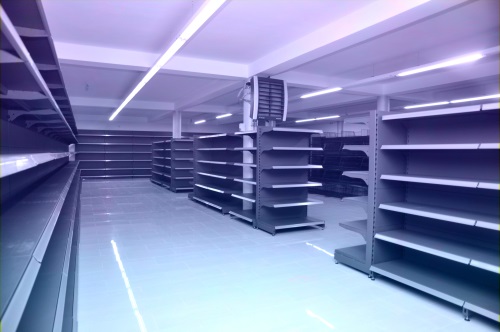
Available in different sizes, neon LED is an excellent alternative to the fluorescent tube. It provides constant light and comes on instantly. In addition, it fits easily into the existing frame and requires no choke or ballast. If you are looking for good industrial LED lighting, you can opt for a LED tube. The latter is able to illuminate hard to reach places, supermarkets and dark places. There are two models of neon LEDs, namely:
Connecting a neon LED, attention to the compatibility of the neon tube
When buying an LED tube, remember to check its compatibility with your ballast. If you have a ferromagnetic ballast, you can opt for a standard LED tube equipped with a starter LED. With an electronic ballast, it is possible to use a neon LED without a starter. You must also take into account its length. Your new neon LED must be the same length as the support of your traditional tube. At Silamp, you have the choice between a neon tube LED 120 cm, 90 cm, 60 cm or 150 cm. You will also find strips for LED tubes T8 of various sizes: LED strip for LED tube T8 150cm, 120cm, etc. For use in shops, factories or the kitchen, prefer a cold light (6000-8000 K) or neutral (4000-5500 K). Warm light (2300-3500 K) is a better choice for offices and conference rooms.Neon LED connection: precautions and steps to follow
Before attaching a neon LED, it is imperative to cut off the general power supply of your home. Remember to protect the electrical circuit with a filter. The latter makes it possible to easily regulate the network voltage. It is advisable to respect the power of your LED tube so as not to damage the base.Two types of ballasts
The ballast designates the component allowing the strip or luminaire integrating the neon LED to light up. There are two types of ballasts: ferromagnetic and electronic. The first, also called conventional or conventional ballast, is equipped with a starter. The electronic ballast is deprived of it. The electronic ballast is the most used today because it causes less flicker, reduces power consumption, does not emit electromagnetic waves and increases the life of neon LEDs.

Comments
Post a Comment